
Shipping from Afghanistan to Uzbekistan
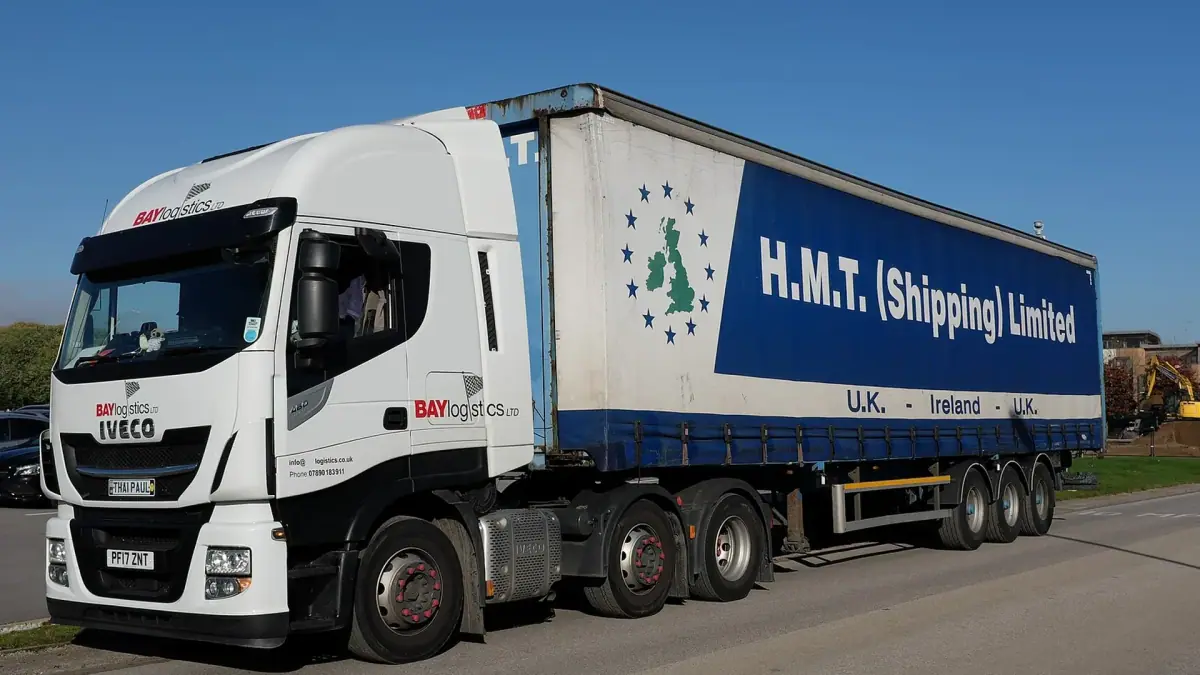
Fast road delivery from Afghanistan to Uzbekistan via Termez-Hairatan. Road: 1-2 days from Mazar-i-Sharif, 3-4 days from Herat.
How long does shipping from Afghanistan to Uzbekistan take?
Transit time, fit and indicative price for each mode.
| Mode | Transit | Best for | Indicative price |
|---|---|---|---|
| Road | 1–2 days | E-commerce, manufacturing goods, LCL consolidation | Confirmed by a manager → |
Prices are indicative and confirmed by a manager — they depend on the cargo, the season and the loading city.
The route, border by border
Mazar-i-Sharif / Herat → Hairatan – Termez → Tashkent. Our own agents hold each handover, and clearance in Tashkent is done in-house.
Shipping from Afghanistan, in practice
Learn more
Afghanistan and Uzbekistan share a 144-kilometer border anchored by the strategically vital Termez-Hairatan crossing, connected by the iconic Friendship Bridge spanning the Amu Darya River. This crossing is the single most important trade gateway between the two countries and a critical artery for Afghanistan's landlocked economy. Goods flowing north from Afghanistan to Uzbekistan include dried fruits, textiles, handwoven carpets, precious and semi-precious minerals, and a growing volume of fresh agricultural produce.
Road transport is the predominant — and for most destinations the only viable — mode of shipping from Afghanistan to Uzbekistan. The primary route originates in Kabul and travels north through the Salang Pass and the Hindu Kush mountains to Mazar-i-Sharif, the commercial hub of northern Afghanistan. From Mazar-i-Sharif, it is a short 75-kilometer journey north to the Hairatan border terminal. Cargo trucks can complete the crossing into Termez, Uzbekistan, in as little as 1 to 2 days, making this one of the fastest international trade corridors in the region.
From Herat in western Afghanistan, an alternative road route runs north through the provinces of Badghis and Faryab toward the Andkhoy-Aqina border crossing with Turkmenistan, then continues through Turkmenistan before entering Uzbekistan at the Farap/Alat crossing near Bukhara. This route takes 3 to 4 days and is used primarily for goods originating in Herat and western Afghanistan. While longer than the direct Hairatan route, it provides valuable redundancy and access to Uzbekistan's western markets.
The Friendship Bridge at Termez-Hairatan — originally built by the Soviet Union in 1982 and reopened for commercial traffic in 2019 — has become a symbol of cross-border trade revival. The bridge handles hundreds of trucks daily, and the adjacent rail terminal at Hairatan connects to Uzbekistan's rail network, enabling onward distribution across Central Asia. In recent years, the Uzbek government has invested significantly in upgrading the Termez logistics hub, including new cargo terminals, cold storage facilities, and customs clearing houses.
Afghan exports of dried fruits — particularly raisins, apricots, and almonds — are highly prized in Uzbekistan's bazaars and are increasingly processed and re-exported to Russia and Kazakhstan. Handwoven Afghan carpets, especially those from the northern regions, find ready buyers in Uzbekistan's decorative arts market. Mineral exports, including lapis lazuli and talc, are shipped in bulk via the Termez crossing and represent a growing segment of bilateral trade. Customs procedures at the border have been streamlined under bilateral transit agreements, though occasional security disruptions can affect transit times.
The Afghanistan-Uzbekistan trade corridor is central to regional economic integration initiatives, including the Trans-Afghan Railway project and various CASA-1000 energy connectivity programs. For logistics operators, the Termez-Hairatan route offers reliable, short-duration road transport with well-established infrastructure. The key to success is maintaining strong relationships with border agents, securing proper Afghan and Uzbek customs documentation, and staying informed of the evolving security and regulatory landscape. With Afghanistan's reconstruction needs and Uzbekistan's role as a regional trade hub, this corridor is poised for sustained growth.
Questions importers ask
Marked up as FAQPage so AI engines and Google can quote the answers directly.
How long does shipping from Afghanistan to Uzbekistan take?
Road: 1-2 days from Mazar-i-Sharif, 3-4 days from Herat.
Which transport modes are available from Afghanistan?
road are available on this corridor. A manager compares them on your actual weight and volume and recommends the cheaper one.
Who clears customs in Tashkent?
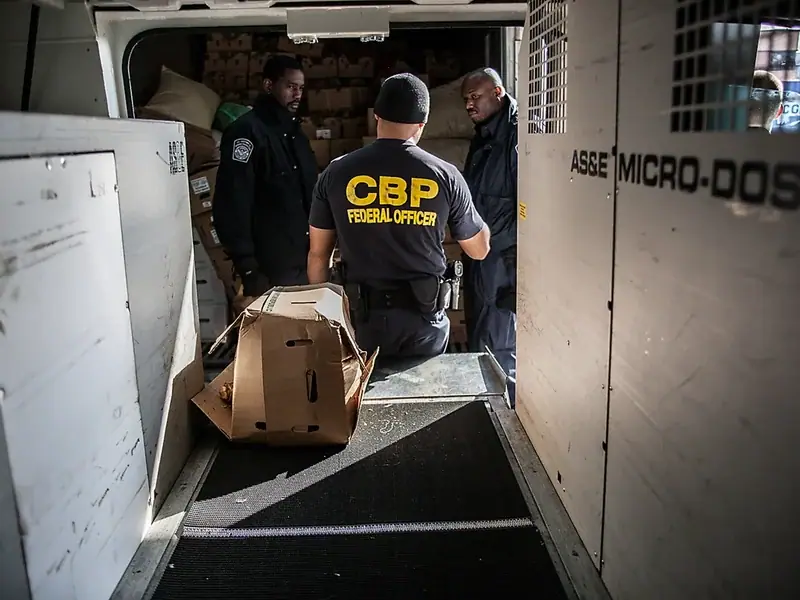
Our own brokerage, under licence 2025-789-BR. We work at the Sergeli and Aviayuklar posts and clearance usually takes under 24 hours. The cargo is never handed to a third-party broker.
What does the quoted price include?
Consolidation, line haul, the border handovers, customs clearance in Tashkent and delivery to your address in Uzbekistan. Every shipment is insured. A manager confirms the final figure before booking.
Quote for Afghanistan → Tashkent
Origin is prefilled. Four fields, then a manager replies within an hour on Telegram or by phone.