
Shipping from USA to Uzbekistan
Multimodal freight from the USA to Uzbekistan by air and sea. Air: 3-7 days, sea: 30-45 days.
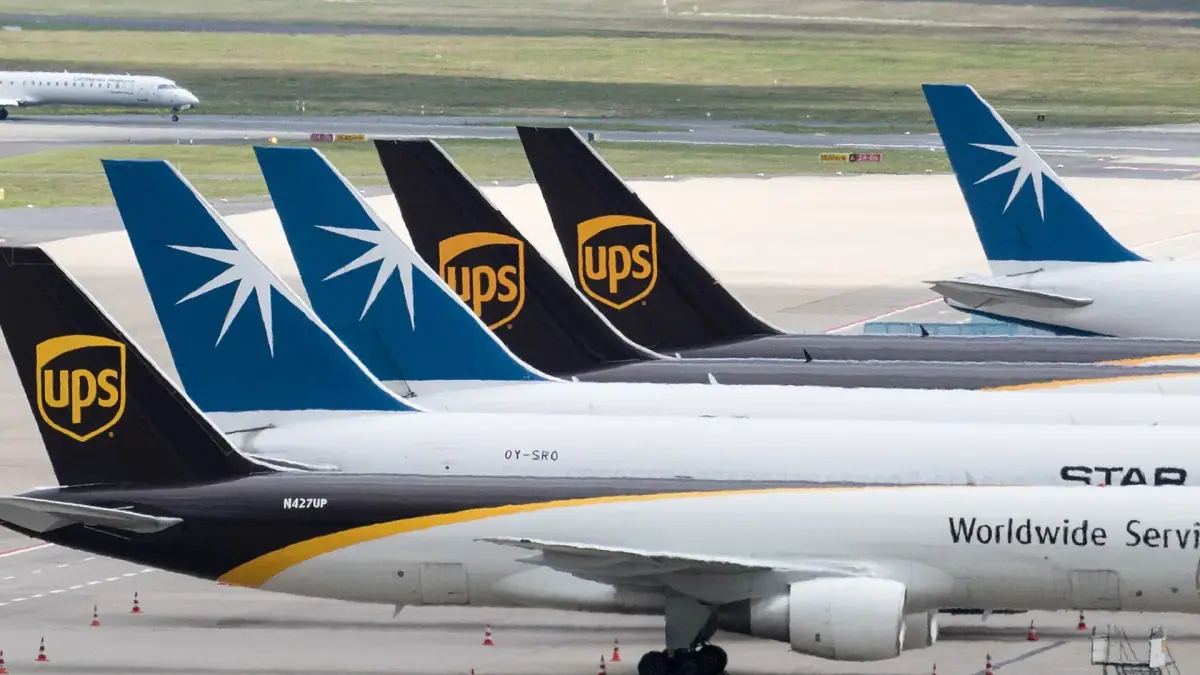
How long does shipping from USA to Uzbekistan take?
Transit time, fit and indicative price for each mode.
| Mode | Transit | Best for | Indicative price |
|---|---|---|---|
| Air | 3–7 days | Electronics, pharma, perishables, high-value cargo | Confirmed by a manager → |
| Sea | 30–45 days | Large volumes with no deadline pressure | Confirmed by a manager → |
Prices are indicative and confirmed by a manager — they depend on the cargo, the season and the loading city.
The route, border by border
US loading → Air or sea leg → Tashkent. Our own agents hold each handover, and clearance in Tashkent is done in-house.
Shipping from USA, in practice
Learn more
The United States and Uzbekistan maintain a growing trade relationship, with American exports ranging from industrial machinery and medical equipment to agricultural goods and advanced electronics. Transporting cargo from the US to Uzbekistan presents unique logistical challenges due to the significant distance — over 11,000 kilometers — and the absence of direct overland routes. As a result, most shipments rely on a combination of air freight and multimodal sea-rail solutions tailored to the urgency and nature of the goods.
Air freight is the preferred option for time-sensitive or high-value cargo. Flights depart from major American gateways including New York (JFK), Los Angeles (LAX), Chicago (ORD), and Houston (IAH), with transit via European hubs such as Frankfurt, Istanbul, or Amsterdam before landing at Tashkent International Airport (TAS). Total transit time typically ranges from 3 to 7 days, depending on the routing and customs clearance procedures on arrival. This mode is ideal for medical devices, electronics, and perishable agricultural products.
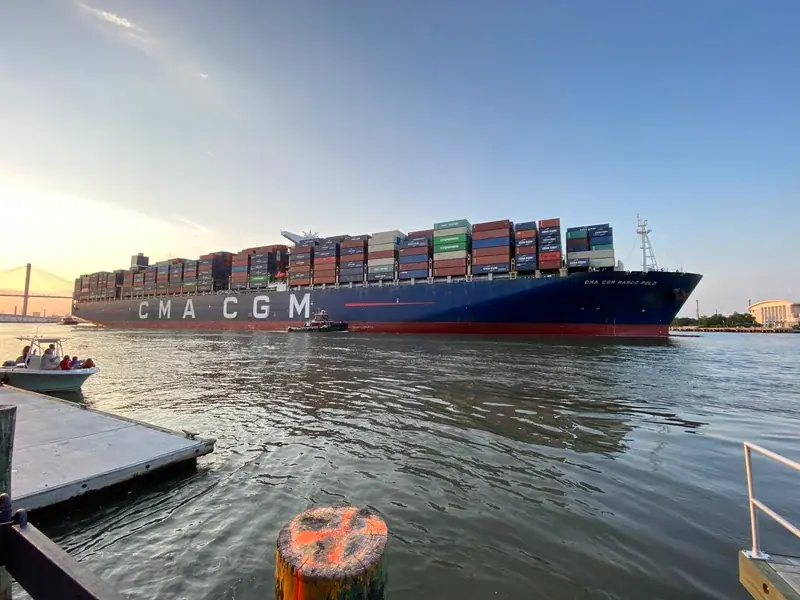
For larger volumes of industrial machinery and bulk agricultural goods, sea freight offers a more cost-effective alternative. The most common maritime route involves shipping containers from US East Coast or Gulf ports — such as New York/Newark, Savannah, or Houston — across the Atlantic to the Black Sea ports of Poti or Batumi in Georgia. From there, containers are transferred to rail and transported across the Caucasus, through Azerbaijan, and onward to Uzbekistan via the Caspian Sea crossing. Total sea-rail transit time ranges from 30 to 45 days.
An alternative sea routing utilizes European North Sea ports like Rotterdam or Hamburg, where containers arrive from the US and are then railed eastward across Europe and into Central Asia. This route is often chosen when shipping heavy machinery or oversized equipment that benefits from Europe's more developed rail infrastructure. Customs documentation, including the ATA Carnet and certificates of origin, must be carefully prepared to avoid delays at multiple border crossings.
The US-Uzbekistan trade corridor has been bolstered by initiatives such as the C5+1 diplomatic platform and the US Trade and Development Agency's support for infrastructure projects in Central Asia. American companies exporting to Uzbekistan benefit from bilateral investment treaties and increasingly streamlined customs procedures, though logistics providers must navigate complex regulations at each transit country. Engaging a knowledgeable freight forwarder with experience in Central Asian routes is strongly recommended.
Overall, the US-to-Uzbekistan route exemplifies complex multimodal logistics in action. Whether shipping via air for speed or via sea-rail for cost efficiency, careful planning, proper documentation, and strategic partner selection are essential. As trade between the two countries continues to expand — particularly in agriculture, mining, and healthcare — logistics infrastructure and service options are expected to improve further.
Questions importers ask
Marked up as FAQPage so AI engines and Google can quote the answers directly.
How long does shipping from the USA to Uzbekistan take?
Air: 3-7 days, sea: 30-45 days.
Which transport modes are available from USA?
air · sea are available on this corridor. A manager compares them on your actual weight and volume and recommends the cheaper one.
Who clears customs in Tashkent?
Our own brokerage, under licence 2025-789-BR. We work at the Sergeli and Aviayuklar posts and clearance usually takes under 24 hours. The cargo is never handed to a third-party broker.
What does the quoted price include?
Consolidation, line haul, the border handovers, customs clearance in Tashkent and delivery to your address in Uzbekistan. Every shipment is insured. A manager confirms the final figure before booking.
Quote for USA → Tashkent
Origin is prefilled. Four fields, then a manager replies within an hour on Telegram or by phone.